
About Black Ocean Citizens
A Movement for Justice, Access and Belonging
Black Ocean Citizens (BLOC) is led by a team of scientists, advocates, creatives and campaigners united by a shared commitment to equity in ocean spaces.
Change Couldn’t Wait
Our Story
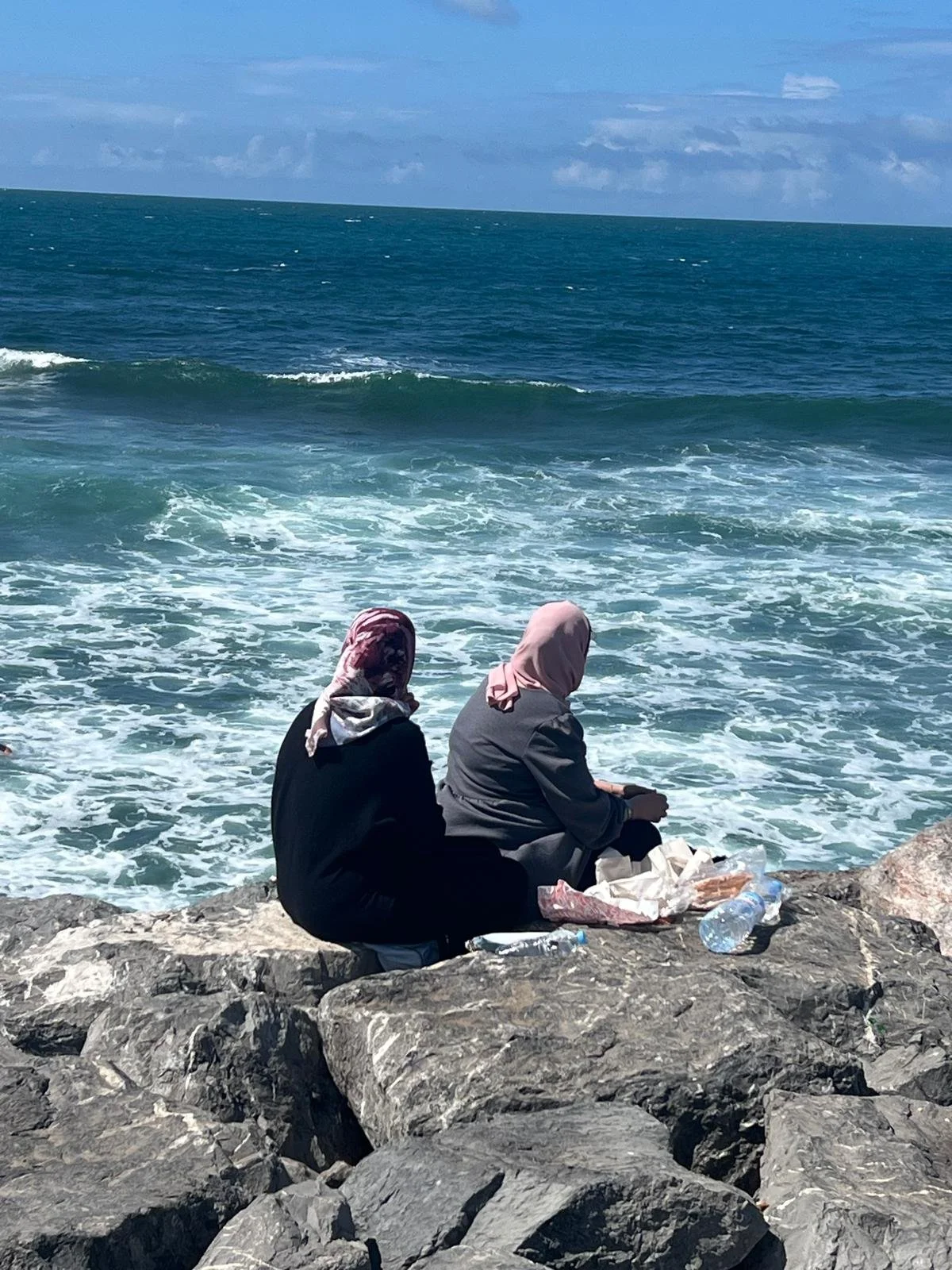
BLOC was born from a moment of deep frustration at a major marine science conference where Black, Asian and minority ethnic (BAME) voices were not only underrepresented but also misrepresented in presentations. Our founder, Dr. Gurpreet Padda, knew change couldn’t wait.
What started as one person’s determination to challenge the status quo has grown into a collective movement. Today, with Diversity, Equity, Inclusion, Justice and Access at its core, BLOC gives people of colour a platform to engage and shape ocean sciences and advocacy.

-
Our Vision
To make marine and fisheries sciences, ocean management and advocacy accessible and inclusive for ethnically minoritised communities (or Black and People of Colour).
-
Our Mission
We advocate for Black and People of Colour by breaking down systemic barriers, opening up opportunities and reshaping ocean governance. Through inclusive engagement, we bring justice, representation and innovation to the heart of marine and fisheries science.
Who We Are
Meet the Team
Our team brings together scientists, advocates, creatives and campaigners united by a shared commitment to equity in ocean spaces. Backed by lived experience and professional expertise, we lead with justice at the heart of our work.

Gurpreet Padda
Gurpreet is a marine and fisheries social scientist, the first ethnically minoritised person to be appointed onto Norwich City Council cabinet as portfolio holder for Equalities and Social Justice and the first woman of colour to be appointed onto the Broads National Park Authority board. She also leads marine and fisheries evidence at the Marine Management Organisation.
With a 22-year strong career spanning government, academia, consultancy and activism, Gurpreet uses her lived experiences to bring justice-centred leadership to ocean sciences. She is deeply committed to reshaping access routes into marine spaces for the next generation, particularly for those like her, from racially minoritised and working-class backgrounds.

Tsian
Tsian is a passionate ocean advocate working at the intersection of marine conservation, equity and storytelling. As a young woman of colour with a disability, she is driven by a need for justice and representation in marine science. She founded Mermaids Beyond Borders to amplify underrepresented voices and shift how communities engage with ocean knowledge.
Currently studying Ocean Sciences and Marine Conservation at the University of Plymouth, Tsian contributes to research, outreach and education projects across the UK and Caribbean. She is also an author and podcast host, using storytelling as a vehicle to transform the landscape of marine engagement and make it more accessible to all.
Lynda
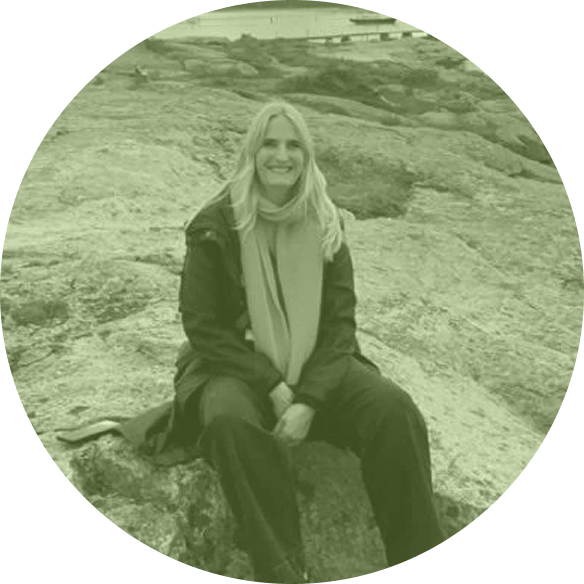
Lynda is a seasoned campaigner. She joins BLOC, bringing vast experience as a global community manager and grassroots activist.
She coordinates digital forums across the UK and Global South for a global health organisation, supporting health campaigns in countries such as India and Brazil.
Her activism and campaigns support refugees, girls in care, domestic abuse survivors and food bank users.
Lorena
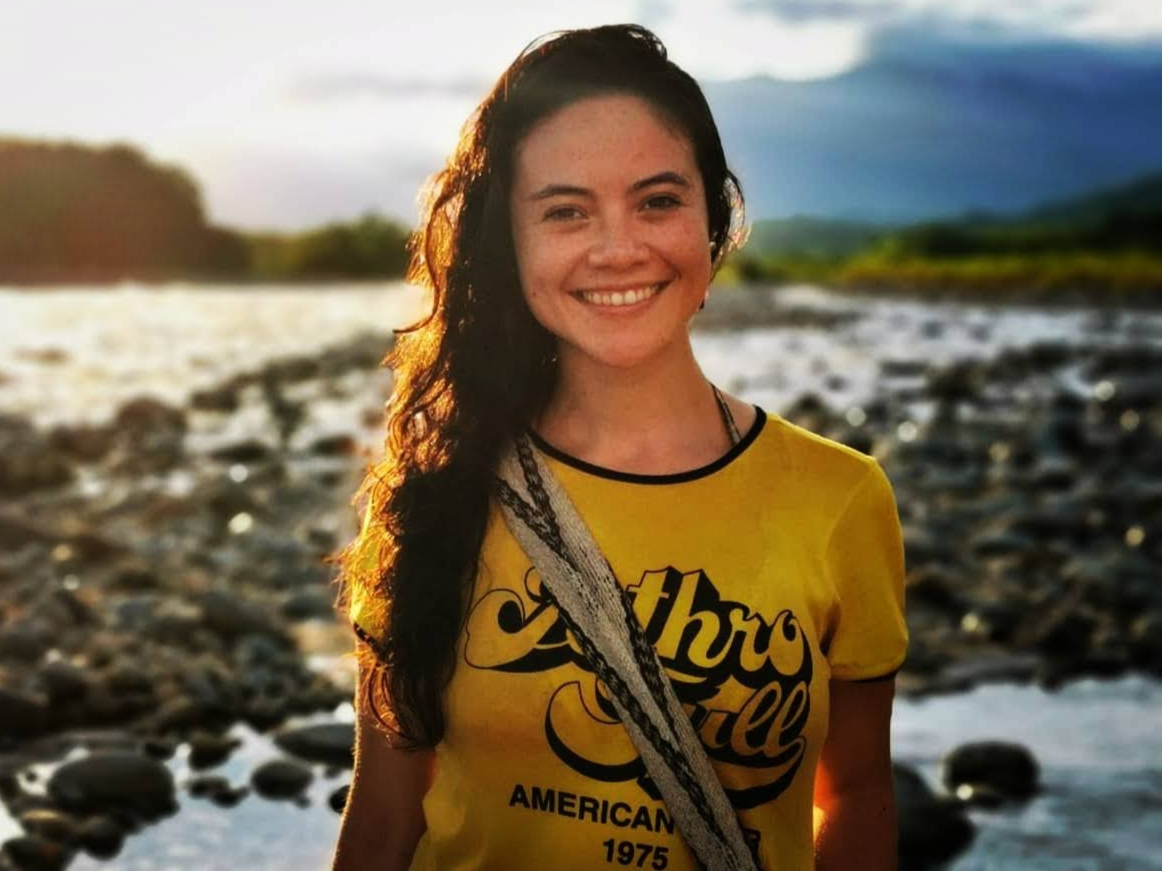
Lorena Gómez Ramírez is a Latin American anthropologist and inclusive sustainable development strategist with over 11 years of experience at the intersection of Indigenous and ethnic minority rights and knowledge, rural development, nature conservation, and peacebuilding and post-conflict recovery in the Amazon and the Andes. In Colombia, she researched and produced community engagement frameworks and sustainable tourism development plans, including trailblazing the country's first participation protocol for ethnic minority communities in tourism planning and decision-making for the Ministry of Commerce, Industry and Tourism. She integrates traditional worldviews systems into policy design.
Since moving to the UK, she has led Black Ocean Citizens' research into ethnic minorities' access to the ocean and marine pathways. She holds an MSc from United Nations University (Tokyo), a BA in Anthropology from Universidad de los Andes (Bogota), and executive education from Georgetown University's McDonough School of Business (Washington DC). Fluent in Spanish, English, French, and Portuguese, she is also an Aspen Institute UK Rising Leader and a Fellow of Women Faith Leaders in Climate, a programme by Harvard University and Faith for the Planet.
Anisha
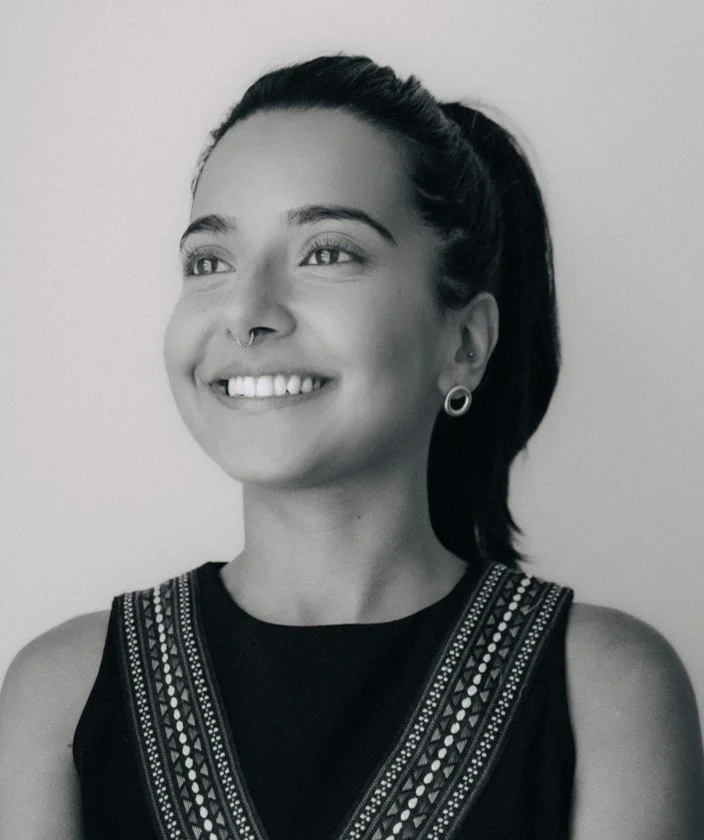
Anisha Thakur’s career has been shaped by communication. From coaching professionals through job interviews and CVs, to teaching English across different countries and cultures, to working in recruitment, she has spent years helping people find the right words to represent themselves with confidence.
Outside of coaching, Anisha has a growing passion for ecology and a strong commitment to working alongside underrepresented communities. As a young woman of colour, she has come to environmental work by a different route to many in the sector: not through the natural sciences but through people. As Community Coordinator, she strives to bring ecological knowledge to those who have been excluded from it - whether by cost, limited access, a lack of encouragement into further study, or too few visible role models to show that this path is open to them too. She hopes to show that a genuine sense of responsibility to nature, paired with passion, can help you carve your own way in, or build the space you need when one doesn't yet exist.
For the Future of Our Oceans
A Letter from Our Founder, Gurpreet Padda
When I was in school, a career aptitude test revealed that, except for a couple of classmates, most of us were expected to aim for clerical administrative careers.
As the daughter of first-generation immigrant parents at a London inner-city school, where I studied alongside many children from different Asian backgrounds, a job involving a desktop computer was considered the height of ambition.
My own working life went on to span market trading, cleaning and selling double glazing under the pseudonym “Gail.” I worked briefly as an accounts assistant for BBC news anchors and even came close to auditioning to be a weather reporter. My path to becoming a marine and fisheries social scientist was anything but linear.
One day, however, a poster of a scuba diver stopped me in my tracks on the way to the science block. That moment planted the seed for my career in marine and fisheries science.
Initially drawn to studying the impacts of oil and gas extraction on marine animals at the University of New South Wales in Australia, I soon became fascinated by human-ocean interdependence. That interest not only guided my research but became a source of joy in my personal life through fishing, scuba diving, paddleboarding and kayaking.
As I pursued opportunities in government and environmental NGOs, I quickly realized most of the people in those spaces came from affluent or selective-school backgrounds, worlds apart from my own. As a working-class woman of colour, I faced challenges in recruitment, academia and professional practice. Too often, I watched from the sidelines as opportunities slipped past me, not because of a lack of ability, but because of systemic barriers.
The words of an influential fisheries scientist once struck me deeply: “You are a woman of your own destiny. If you don’t seize opportunities, someone else will.”
Over time, I came to see that discriminatory behaviour was what kept me from progressing, even when I had already seized those opportunities.
Despite the obstacles, my love of the ocean has kept me committed to this field. Along the way, I earned my PhD at the University of East Anglia and worked at a world-leading marine and fisheries laboratory, central government, government agencies and in consultancy as a marine and fisheries policy and evidence expert.
My hope is that Black Ocean Citizens becomes the space I once needed: a place where people of all backgrounds can belong, thrive and work together for the future of our oceans.
Gurpreet Padda, Founder

Take Our Survey to Let Your Voice Be Heard
BLOC and Ocean and Coastal Futures are conducting a survey to understand the experiences and perceptions of racism among people of colour in the UK marine, coastal and fisheries sector.
Your insight will help identify barriers, inform policy and drive initiatives to build truly inclusive environments and dismantle racism within the sector.
If you identify as Black, Brown or biracial and work or study in any part of the UK marine, coastal or fisheries sector, including government, academia, seafood production, NGOs or grassroots organisations, we invite you to share your story.
Join the Movement
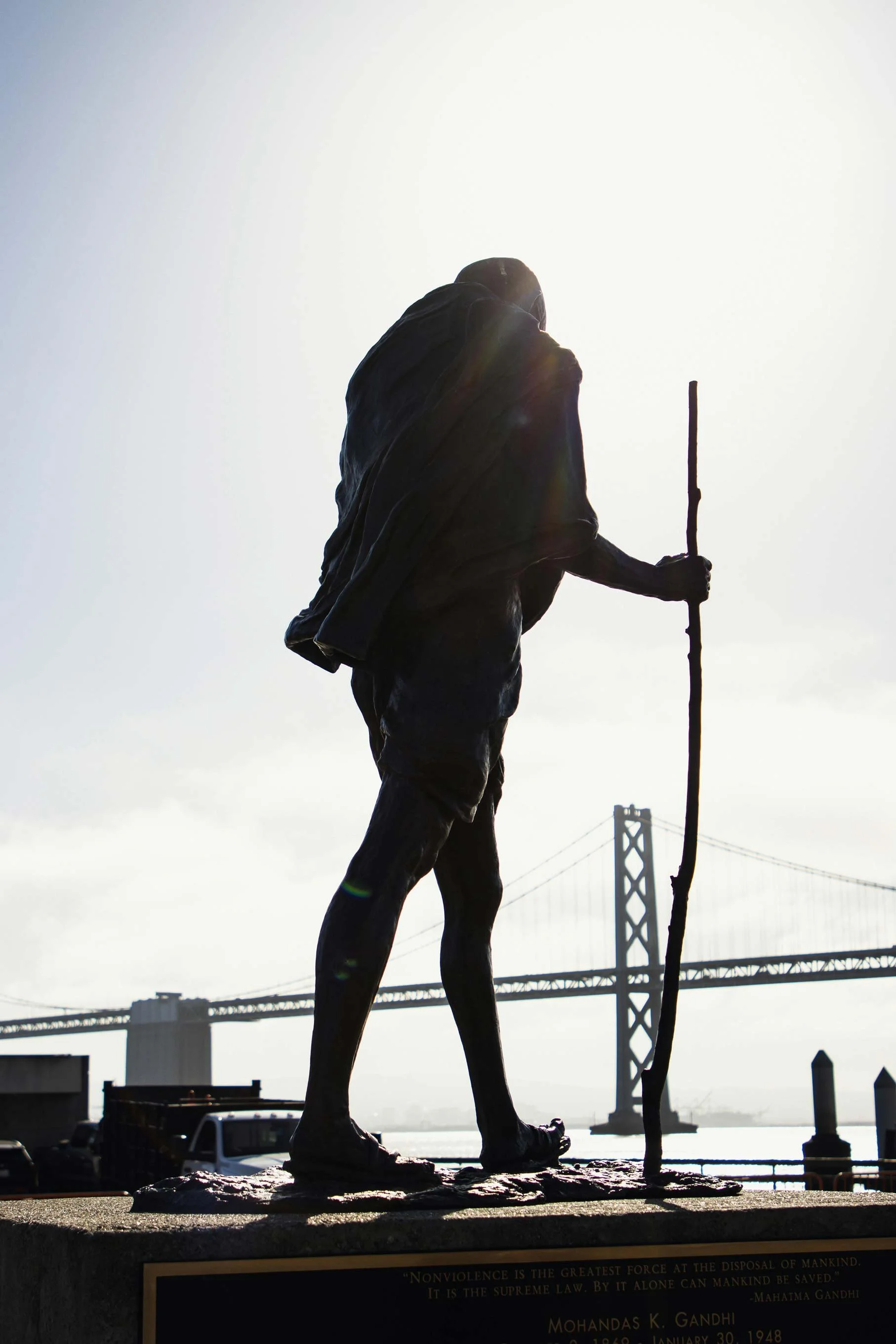
“Be the change you want to SEE in the world.”
- Mahatma Gandhi