
Policy and Governance
Building an Inclusive Future for Ocean Science
At Black Ocean Citizens (BLOC), equity and representation are not side projects; they are the foundation of everything we do. Our policy and governance work focuses on transforming how decisions are made across marine, coastal and fisheries sectors, ensuring that ethnically minoritised voices are heard and included at every level.
Our Theory of Change
We’re currently developing a Theory of Change and business strategy which will guide how BLOC creates lasting impact through evidence-based advocacy, education and leadership.
This framework will clarify how our values of Justice, Access, Inclusion and Representation translate into measurable change across research, policy and community engagement.
Our updated Theory of Change will be shared soon. Sign up for our newsletter below to be notified when it’s published.
Equality, Diversity and Inclusion (EDI) in Science
We envision a future where conservation, coastal and fisheries policies truly represent the diverse communities they serve.
To do this, BLOC works to embed Equality, Diversity and Inclusion (EDI) across research, policy and practice. Our goal is to create fairer systems and empower Black, Asian and minority ethnic (BAME) people to lead within them.
By adopting EDI best practices, BLOC aims to:
Foster inclusive participation in decision-making.
Create environments where diverse scientists can thrive.
Advance equity-informed policy that benefits both people and planet.
Trustees
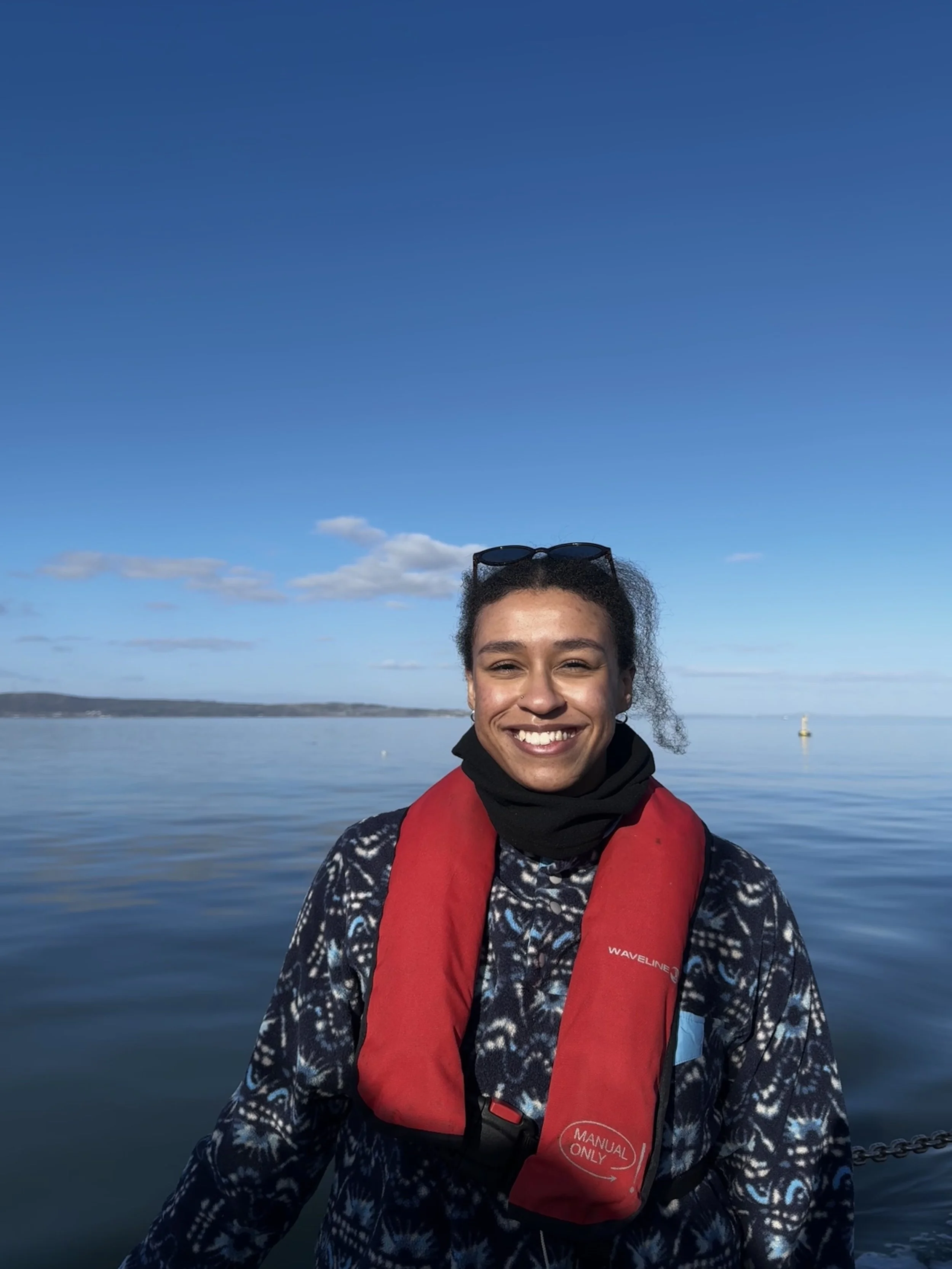
Rebecca Olaleye - Youth Voice and Seagrass Restoration
Rebecca is a marine geographer, holding a first-class honours degree in Geography from Heriot-Watt University, Edinburgh. She is interested in spatial research, especially looking at spatial squeeze and natural capital. Rebecca is also passionate about community engagement and improving ocean literacy, across all communities.
She has experience conducting citizen science research on the west coast of Scotland, investigating vessel traffic in a highly protected marine environment. She also furthered her community engagement work, working on the Restoration Forth Project, restoring Native Oysters into the Firth of Forth on Scotland’s east coast.
She is passionate about improving access to opportunities for marginalised folks, as well as understanding how intersectionality impacts different communities' access to entry. She hopes over her career to see the sector diversify, by amplifying underrepresented voices and increasing representation of people of colour in the sector.
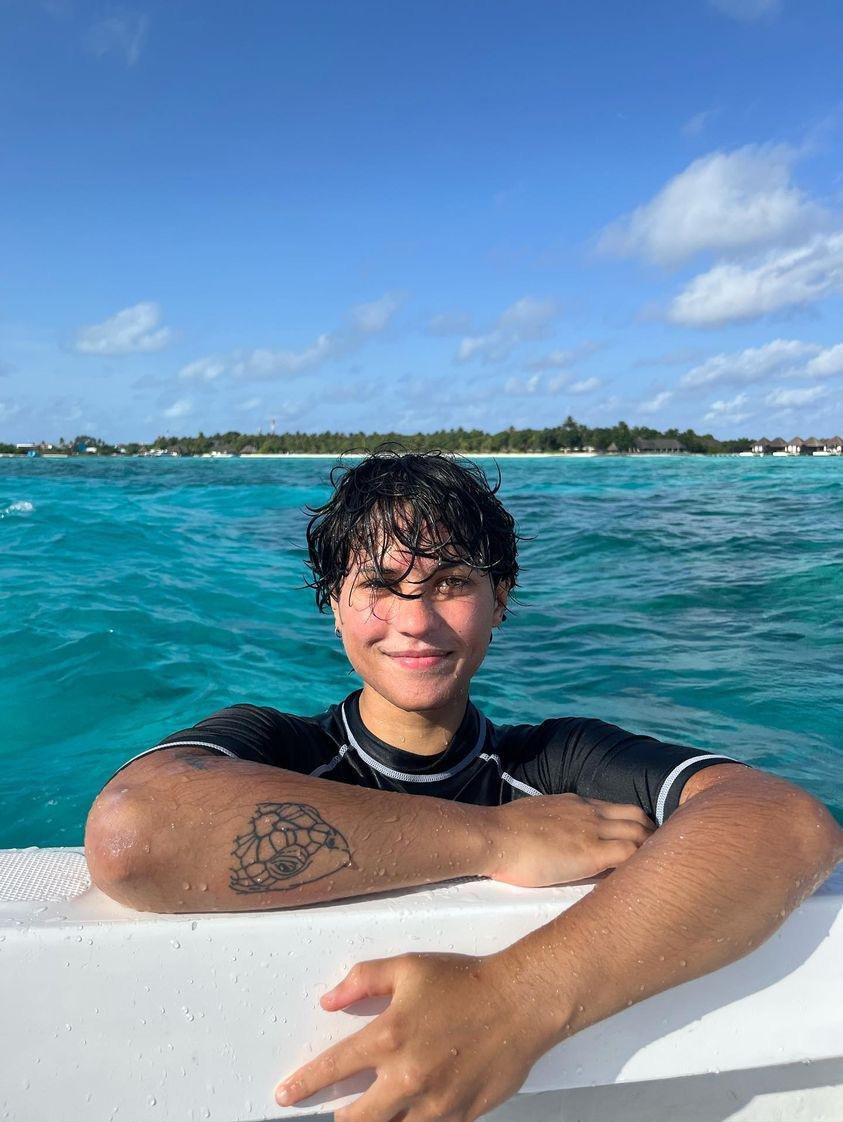
Taskeen Nasif – Youth Voice and Elasmobranch Conservation
Taskeen is a Coastal Coordinator for the North West Coastal Forum in the UK. They have a wealth of lived experiences, working as a technician and Teaching Assistant for animal management courses at a college (and bartender!). They recently graduated from a MRes in marine ecosystems, now navigating finding work in the marine sector.
During university, They were an EDI intern working with university and regional stakeholders and they are keen for carry this into marine research. They have worked in variety of ecological and socially-centred marine roles, too, currently through remote volunteering for two shark research organisations and becoming a member of a marine and coastal social mobility community of practice.
They moved to the UK from the Maldives as a child, and as a mixed-race islander, they often felt at sea within their own identity but is grounded by their connection to the ocean and marine community. They believe everyone has the right to access the marine environment and is keen to support projects that enables this to happen.
Stay Connected
Change Takes Collaboration
Join our newsletter for updates on new research, events and opportunities to get involved. Together, we can create a more equitable and representative future for our oceans.